Introduction
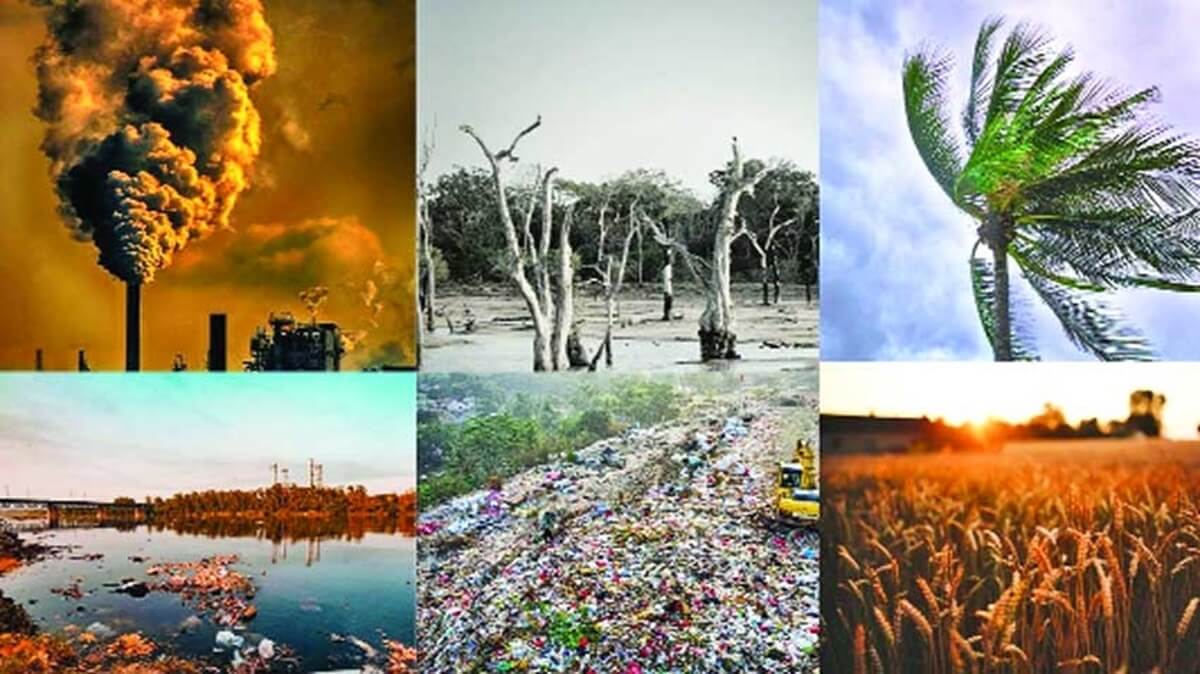
Bangladesh is widely recognized as one of the countries most vulnerable to climate change. Due to its geographical location, dense population, and dependence on climate-sensitive sectors such as agriculture and fisheries, environmental changes have created significant social and economic challenges across the country. Floods, cyclones, river erosion, sea-level rise, and salinity intrusion increasingly affect rural livelihoods, forcing many people to relocate from environmentally vulnerable areas to urban centers. As a result, climate change has become closely linked with patterns of internal migration in Bangladesh.
Internal migration in Bangladesh is not a new phenomenon. However, climate-induced displacement has intensified migration flows in recent years, particularly from coastal and riverine regions. Many families move to cities such as Dhaka, Chattogram, and Khulna in search of employment, safety, and improved living conditions. While migration can provide opportunities for survival and economic adaptation, it also creates new challenges related to urban overcrowding, unemployment, housing shortages, and pressure on public services.
Climate Change and Migration Dynamics
Environmental degradation has become one of the major drivers of migration in Bangladesh. Coastal regions are increasingly affected by cyclones, tidal surges, and salinity intrusion, which reduce agricultural productivity and threaten freshwater availability. Similarly, river erosion continues to displace thousands of people annually, particularly in northern and central districts located along major river systems.
Climate-related disasters often destroy homes, farmland, and infrastructure, leaving affected communities with limited economic options. In many cases, migration becomes a coping mechanism for households attempting to reduce vulnerability and maintain livelihoods. Rural populations, especially low-income communities dependent on agriculture and fishing, are particularly exposed to these environmental risks.
Urban areas have consequently experienced rapid population growth due to migration. Dhaka, already one of the world’s most densely populated cities, continues to receive large numbers of climate migrants each year. Many migrants settle in informal settlements where access to healthcare, sanitation, education, and employment opportunities remains limited. This creates significant human security concerns and increases socio-economic inequalities within urban environments.
Policy Challenges
Bangladesh has adopted several policies and strategies to address climate change and disaster management. Initiatives such as the Bangladesh Climate Change Strategy and Action Plan (BCCSAP) and the Delta Plan 2100 demonstrate the government’s recognition of climate vulnerabilities. However, climate-induced migration remains insufficiently integrated into national policy frameworks.
One major challenge is the absence of comprehensive migration governance mechanisms that specifically address climate displacement. Existing policies often focus on disaster response rather than long-term migration planning and urban integration. In addition, local governments in rapidly growing cities frequently lack the institutional capacity and financial resources necessary to manage increasing migration pressures.
Another important issue relates to employment and livelihood opportunities for migrants. Many displaced individuals work in low-income informal sectors without social protection or job security. Women and children are often disproportionately affected by poor living conditions, health risks, and limited access to education.
Policy Implications and Adaptation Pathways
Greater policy attention is needed to understand migration not only as a challenge but also as a potential adaptation strategy. Regional and international cooperation can play an important role in addressing climate-induced migration. Climate change is a global phenomenon, yet countries such as Bangladesh often bear disproportionate impacts despite contributing relatively little to global greenhouse gas emissions. Increased international support in the form of climate finance, technology transfer, and capacity-building initiatives could significantly strengthen Bangladesh’s resilience and help reduce the pressures that drive climate-related displacement.
At the same time, it is important to recognize that migration itself can function as a form of adaptation. When supported by effective policy frameworks, migration can enable households to diversify their income sources and reduce vulnerability to environmental shocks. For instance, migrants who secure stable employment in urban areas can send remittances to rural communities, allowing families to invest in education, housing, and more climate-resilient livelihoods. In this sense, migration should not always be perceived purely as a problem but rather as a complex socio-economic process that requires thoughtful governance.
Looking ahead, climate change is likely to intensify existing patterns of internal migration in Bangladesh. As environmental pressures continue to affect agriculture, coastal livelihoods, and rural economies, more people may be compelled to relocate within the country. Managing this transition will require a comprehensive policy approach that integrates climate adaptation, urban planning, and socio-economic development. Strengthening disaster preparedness, improving rural livelihood resilience, and expanding inclusive urban planning policies will be essential in ensuring that climate migration does not translate into deeper social and economic inequalities.
Conclusion
Climate change and internal migration are deeply interconnected challenges in Bangladesh. Environmental pressures are already reshaping population movements across the country, with significant implications for both rural and urban areas. While migration can serve as a coping mechanism for affected households, unmanaged migration may also create new social and economic vulnerabilities. Addressing climate-induced migration therefore requires coordinated policies that strengthen climate resilience, support migrant integration, and promote sustainable development.
Recognizing migration as both a challenge and a potential adaptation strategy is essential for effective governance. By adopting forward-looking policies and strengthening institutional capacity, Bangladesh can better prepare for the evolving realities of climate change and ensure that migration contributes to resilience rather than vulnerability in the decades ahead.