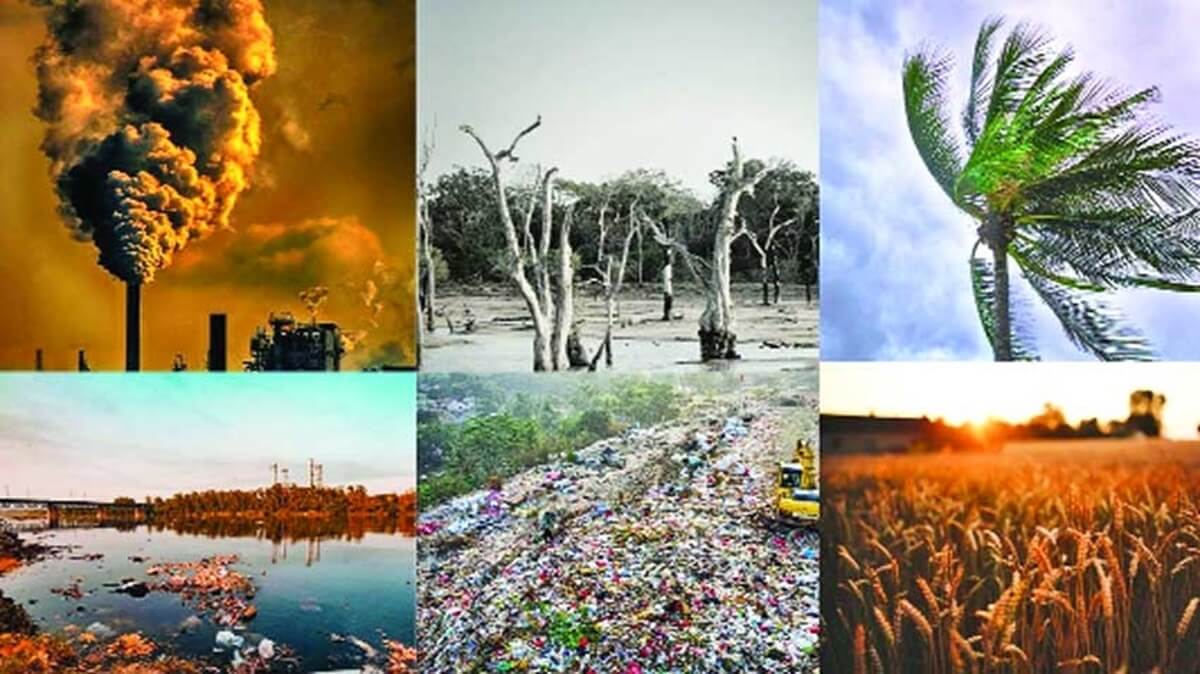
Figure 1: Climate Vulnerability and Cyclone-Prone Coastal Areas of Bangladesh
Introduction
Climate change has increasingly become one of the most critical issues shaping global politics and international relations. Rising temperatures, extreme weather events, and environmental degradation are no longer purely environmental concerns; they have evolved into complex political, economic, and security challenges. In this context, climate diplomacy has emerged as a central element of international cooperation, particularly for countries in the Global South that are disproportionately affected by climate impacts.
Bangladesh stands at the forefront of this global climate challenge. Despite contributing only a small fraction of global greenhouse gas emissions, the country faces some of the most severe consequences of climate change. Frequent floods, cyclones, riverbank erosion, and rising sea levels threaten livelihoods and infrastructure across the country. As a result, Bangladesh has become one of the most prominent voices advocating for climate justice and stronger international cooperation in global climate negotiations.
Bangladesh and Climate Vulnerability
Bangladesh’s geographical characteristics make it particularly vulnerable to climate change. Located in the delta of three major rivers—the Ganges, Brahmaputra, and Meghna—the country is highly exposed to flooding and water-related hazards. Coastal regions face increasing risks from cyclones and salinity intrusion, while riverbank erosion continues to displace thousands of families every year.
These environmental pressures have significant implications for economic development and human security. Agriculture, which employs a large portion of the population, is highly sensitive to climate variability. Changes in rainfall patterns and increasing salinity in coastal areas have already begun to affect crop production and food security. In addition, climate-related disasters frequently damage infrastructure and disrupt economic activities.
Beyond economic losses, climate change is also reshaping population movements within the country. Many communities affected by environmental degradation are increasingly forced to migrate to urban areas in search of alternative livelihoods. These trends highlight the interconnected nature of climate change, development challenges, and migration dynamics in Bangladesh.
Bangladesh in Global Climate Negotiations
Over the past two decades, Bangladesh has emerged as an influential participant in international climate diplomacy. The country actively engages in global climate negotiations under the United Nations Framework Convention on Climate Change (UNFCCC), advocating for stronger commitments from developed countries to address climate change.
Bangladesh has also played an important role within negotiating blocs representing developing countries, such as the Climate Vulnerable Forum (CVF) and the Least Developed Countries (LDC) group. Through these platforms, Bangladesh collaborates with other vulnerable nations to highlight the urgent need for climate finance, technological support, and adaptation measures.
One of the central issues in international climate negotiations is the principle of climate justice. Developing countries argue that industrialized nations bear greater historical responsibility for greenhouse gas emissions and should therefore take the lead in reducing emissions and supporting vulnerable countries. Bangladesh consistently emphasizes this argument in international forums, calling for increased financial and technological assistance to help countries adapt to climate impacts.
The establishment of the “Loss and Damage” mechanism in recent global climate negotiations represents an important milestone for vulnerable countries like Bangladesh. This mechanism aims to provide financial support for countries experiencing irreversible climate-related losses, such as land loss due to sea-level rise or displacement caused by extreme weather events.
Climate Diplomacy and the Global South
For many countries in the Global South, climate diplomacy is closely linked with broader questions of development, equity, and global governance. Climate change exacerbates existing socio-economic inequalities and places additional burdens on developing nations that often lack the financial resources needed for large-scale adaptation measures.
In this context, climate diplomacy is not only about negotiating emission reductions but also about ensuring fair access to climate finance, technology transfer, and capacity-building initiatives. Bangladesh has consistently argued that climate policies must address the development needs of vulnerable countries while ensuring that global mitigation efforts remain effective.
Regional cooperation also plays an important role in addressing climate challenges. South Asian countries share similar environmental vulnerabilities, including floods, cyclones, and water scarcity. Strengthening regional dialogue on climate adaptation, disaster preparedness, and sustainable resource management could enhance collective resilience across the region.
Policy Implications and Future Outlook
Looking ahead, Bangladesh’s role in global climate diplomacy is likely to become even more significant. As climate impacts intensify, the country will continue to advocate for stronger international commitments to reduce emissions and support adaptation efforts in vulnerable regions.
At the domestic level, integrating climate diplomacy with national development strategies will be essential. Policies that promote climate-resilient infrastructure, sustainable agriculture, and disaster preparedness can strengthen the country’s ability to cope with environmental shocks. At the same time, continued diplomatic engagement will be necessary to ensure that Bangladesh receives adequate support from international climate finance mechanisms.
Furthermore, expanding cooperation between governments, international organizations, and civil society can enhance the effectiveness of climate adaptation initiatives. Partnerships that combine technological innovation with local knowledge can help communities develop sustainable responses to climate challenges.
Conclusion
Climate diplomacy has become a crucial component of global governance in the twenty-first century. For countries in the Global South, including Bangladesh, climate negotiations represent an opportunity to advocate for fairness, responsibility, and collective action in addressing one of the most pressing challenges of our time.
Bangladesh’s experience demonstrates how vulnerable countries can actively shape international climate debates while seeking solutions that balance development needs with environmental sustainability. By continuing to engage in global climate negotiations and strengthening domestic adaptation strategies, Bangladesh can play a leading role in advancing climate justice and sustainable development in the years ahead.