Introduction
Migration has become one of the most significant socio-economic and political issues in South Asia. The region experiences large-scale movements of people driven by economic inequality, labour market demands, environmental pressures, political instability, and demographic change. Millions of South Asians migrate internally within their own countries as well as internationally in search of employment opportunities, security, and improved living conditions. In this context, migration governance has emerged as a critical policy challenge for governments across the region.
Migration governance refers to the policies, institutions, and mechanisms used to manage migration in a safe, orderly, and sustainable manner. Effective governance aims to maximize the economic and social benefits of migration while reducing risks such as labour exploitation, irregular migration, and human insecurity. For Bangladesh, which is one of the world’s leading labour-sending countries, migration governance is particularly important due to the country’s heavy dependence on overseas employment and remittance inflows.
As migration patterns in South Asia continue to evolve, Bangladesh faces growing challenges related to migrant protection, labour rights, recruitment systems, and climate-induced displacement. Addressing these issues requires stronger national policies as well as enhanced regional cooperation.
Migration Dynamics in South Asia
South Asia is characterized by diverse forms of migration, including labour migration, internal displacement, cross-border migration, and refugee movements. Economic migration remains the most common form, with millions of workers from countries such as Bangladesh, India, Nepal, and Pakistan seeking employment opportunities abroad, particularly in the Middle East and Southeast Asia.
Bangladesh plays a major role in the regional migration system. Every year, large numbers of Bangladeshi workers migrate overseas, contributing significantly to the national economy through remittances. Labour migration has become an essential component of Bangladesh’s development strategy and foreign exchange earnings.
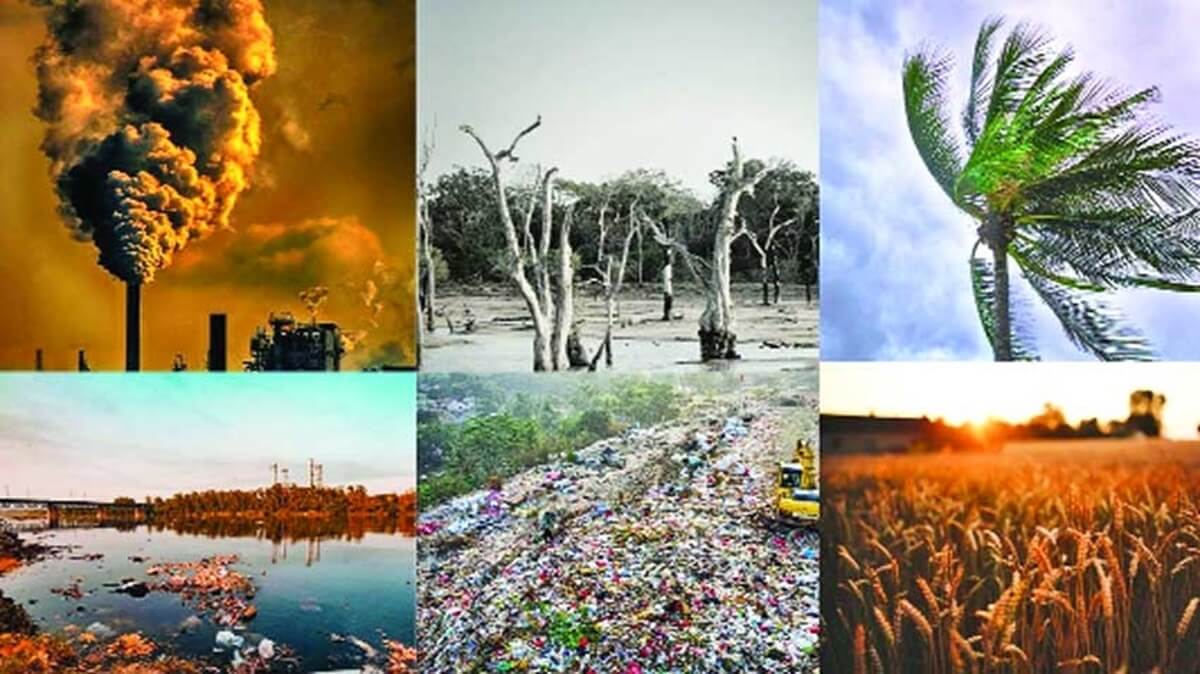
At the same time, internal migration within South Asian countries is increasing due to urbanization and environmental pressures. Climate-related disasters such as floods, cyclones, droughts, and river erosion frequently displace vulnerable populations, forcing many people to relocate to urban areas. These migration flows create additional pressure on cities, infrastructure, and public services.
The Rohingya refugee crisis has also highlighted the complexity of migration governance in South Asia. Bangladesh hosts a large number of Rohingya refugees who fled persecution in Myanmar, creating humanitarian, economic, and security challenges that require both national and international responses.
Governance Challenges
Despite the economic importance of migration, governance systems across South Asia often face significant limitations. One of the major challenges is the lack of comprehensive and coordinated migration policies. In many cases, migration management remains fragmented across multiple government agencies with limited institutional coordination.
For Bangladesh, the recruitment process for overseas employment continues to present important governance concerns. Many migrant workers incur high recruitment fees and debt burdens before departure. Inadequate regulation of recruitment agencies and limited access to reliable information can expose workers to fraud and exploitation.
Migrant protection is another major issue. Many South Asian migrant workers are employed in low-skilled sectors where labour rights and legal protections remain weak. Cases of wage withholding, poor working conditions, and contract violations are common in some destination countries. Diplomatic missions often face challenges in providing sufficient legal and institutional support to migrant workers abroad.
Climate-induced migration presents an additional governance challenge. Although environmental displacement is becoming increasingly common, many countries in South Asia still lack dedicated legal and policy frameworks to address climate migration and long-term displacement.
Regional Cooperation and Policy Coordination
Since migration is inherently transnational, regional cooperation is essential for improving migration governance in South Asia. Many migration-related challenges—including irregular migration, human trafficking, labour exploitation, and refugee management—cannot be effectively addressed through isolated national policies alone.
Regional cooperation can help countries share information, strengthen labour standards, and coordinate migration policies. Platforms such as South Asian Association for Regional Cooperation have the potential to facilitate dialogue on migration management, labour mobility, and disaster response.
Bangladesh can also strengthen migration diplomacy through bilateral labour agreements with destination countries. These agreements can improve recruitment transparency, enhance worker protections, and create more structured migration pathways. Expanding skills training and technical education can further increase the competitiveness of Bangladeshi workers in global labour markets.
Policy Lessons for Bangladesh
Bangladesh can draw several important lessons from regional migration experiences. First, migration governance must be integrated into broader national development strategies. Labour migration should not only be viewed as a source of remittance income but also as a long-term development issue connected with education, skills development, and social protection.
Second, improving institutional coordination is essential. Stronger collaboration between ministries, recruitment agencies, financial institutions, and diplomatic missions can significantly improve migration management systems.
Third, Bangladesh should invest more heavily in skill development and vocational training. Skilled workers generally receive better wages, experience lower levels of vulnerability, and contribute more effectively to national development through remittances and knowledge transfer.
Finally, climate change adaptation policies must include migration governance considerations. As environmental pressures continue to intensify, Bangladesh will likely experience increasing levels of climate-induced displacement. Effective urban planning, disaster preparedness, and livelihood support programs will therefore be critical for reducing migration-related vulnerabilities.
Conclusion
Migration governance has become one of the central policy challenges facing South Asia in the twenty-first century. Economic inequality, environmental pressures, labour market demands, and political instability continue to shape migration dynamics across the region. For Bangladesh, effective migration governance is essential for protecting migrant workers, maximizing the developmental benefits of migration, and addressing emerging climate-related challenges.
Strengthening governance frameworks, enhancing regional cooperation, and promoting safer migration pathways can help Bangladesh build a more sustainable migration system. By integrating migration policies with broader development and climate adaptation strategies, Bangladesh can better manage future migration challenges while ensuring greater economic and human security for its population.