Bangladesh Institute of International and Strategic Studies
Bangladesh Institute of International and Strategic Studies
Building a Cyber-Safe State
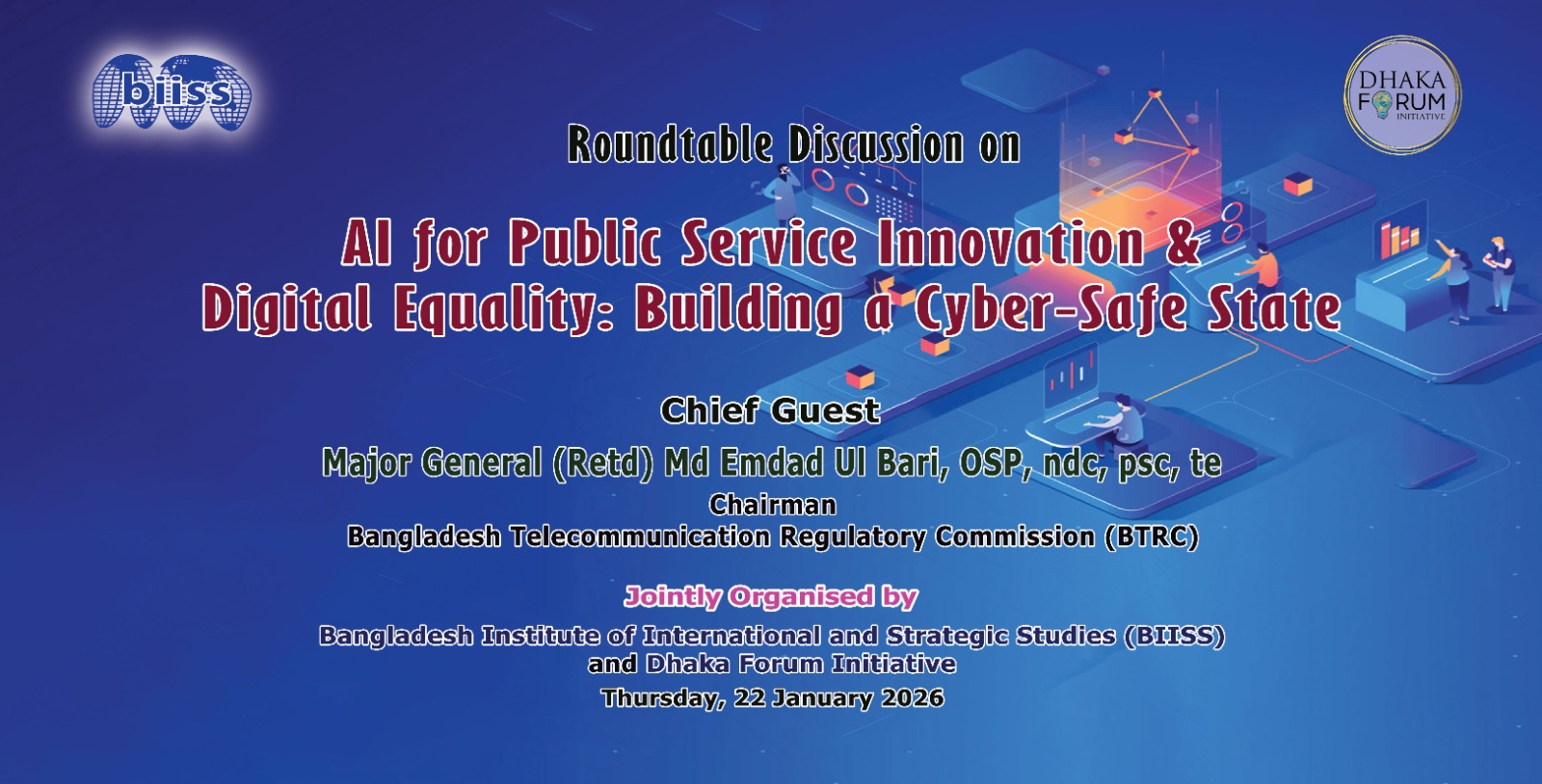
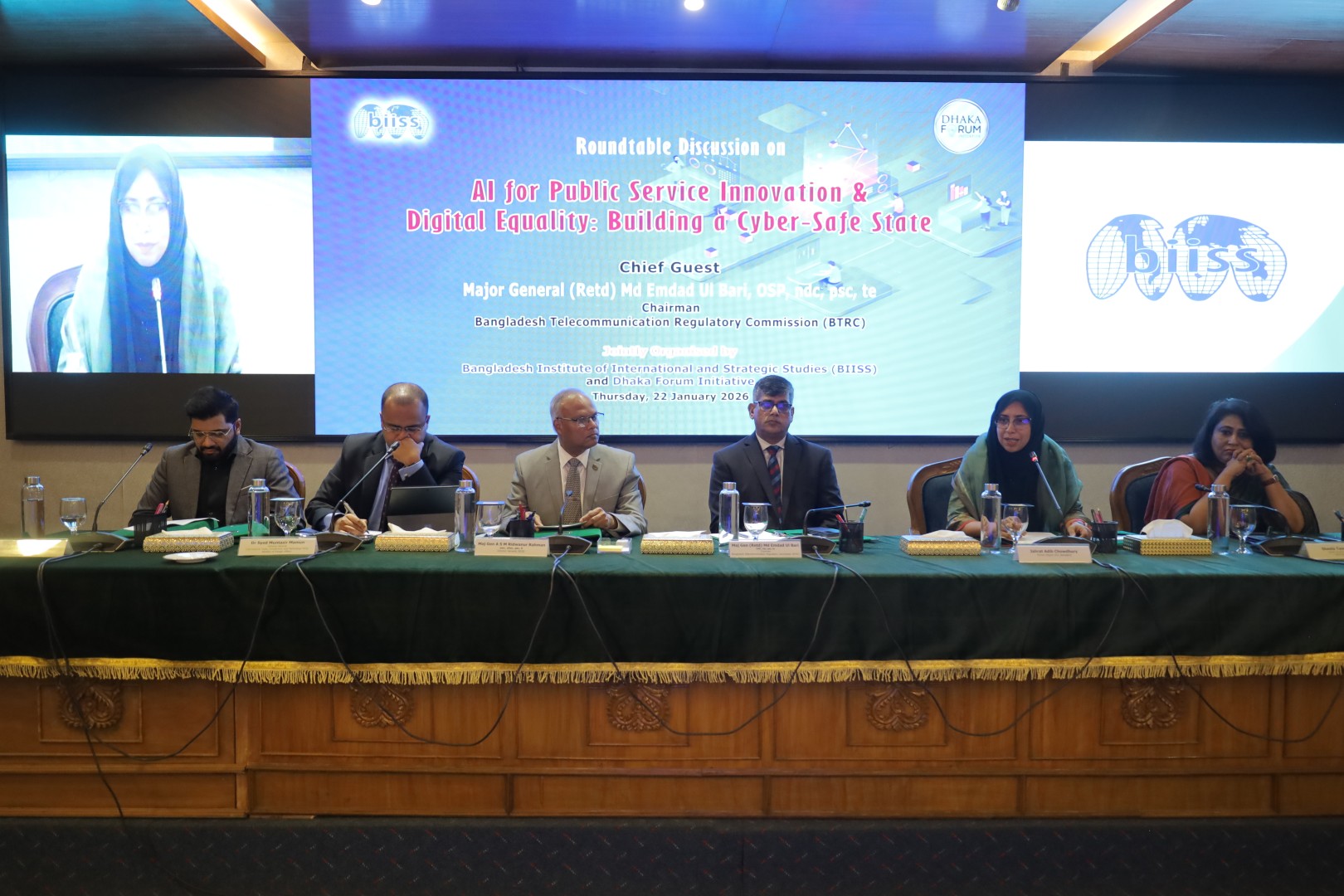
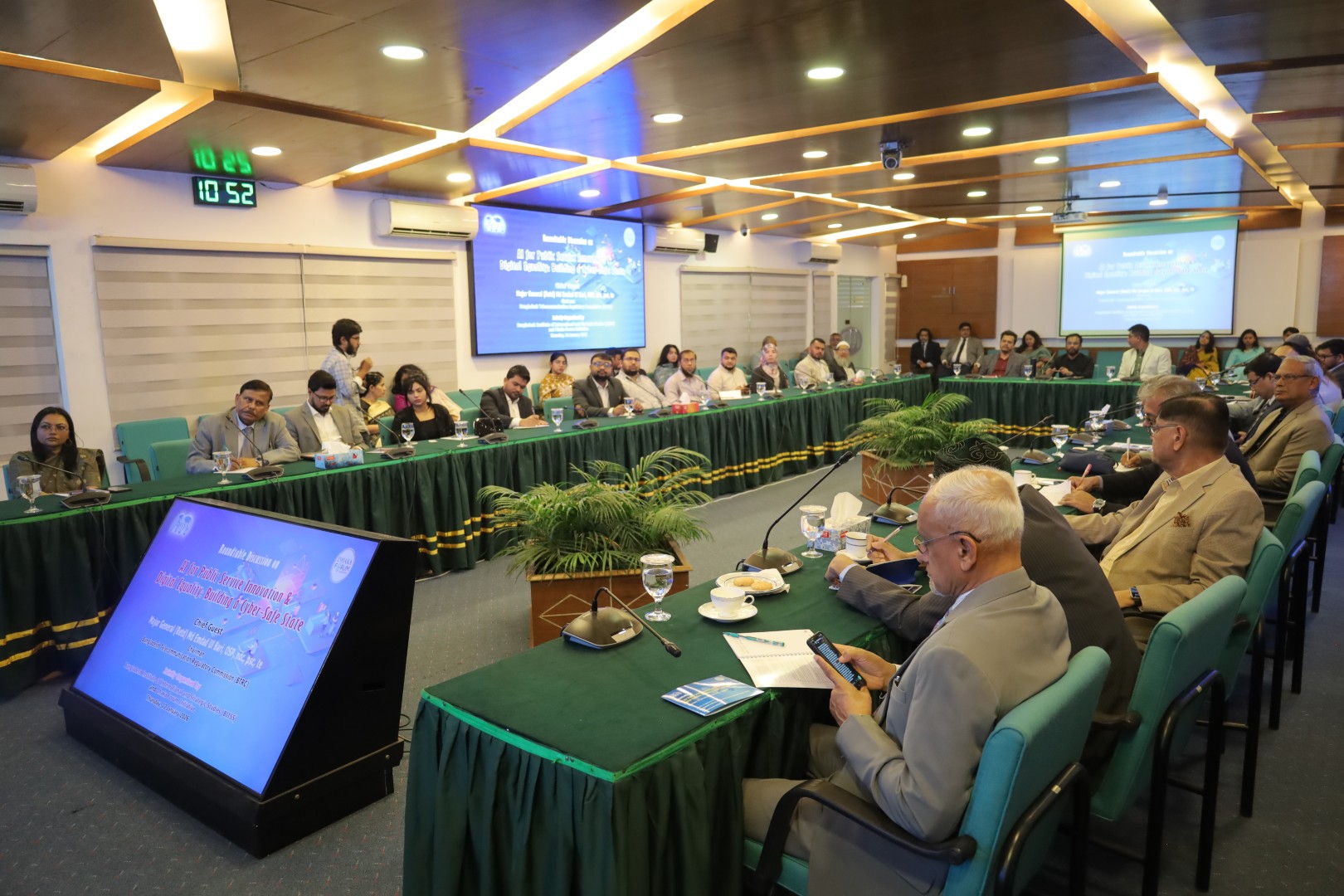
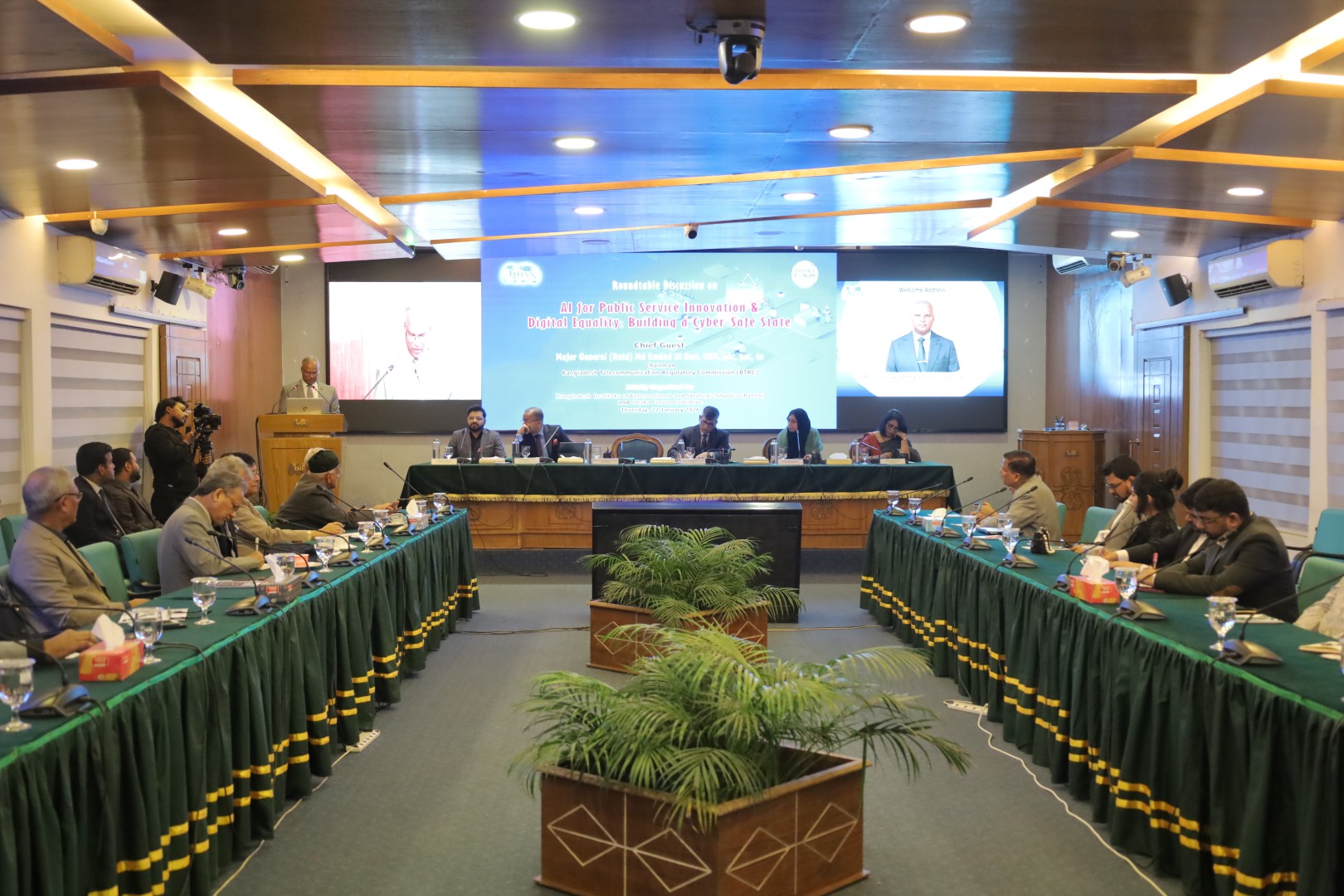
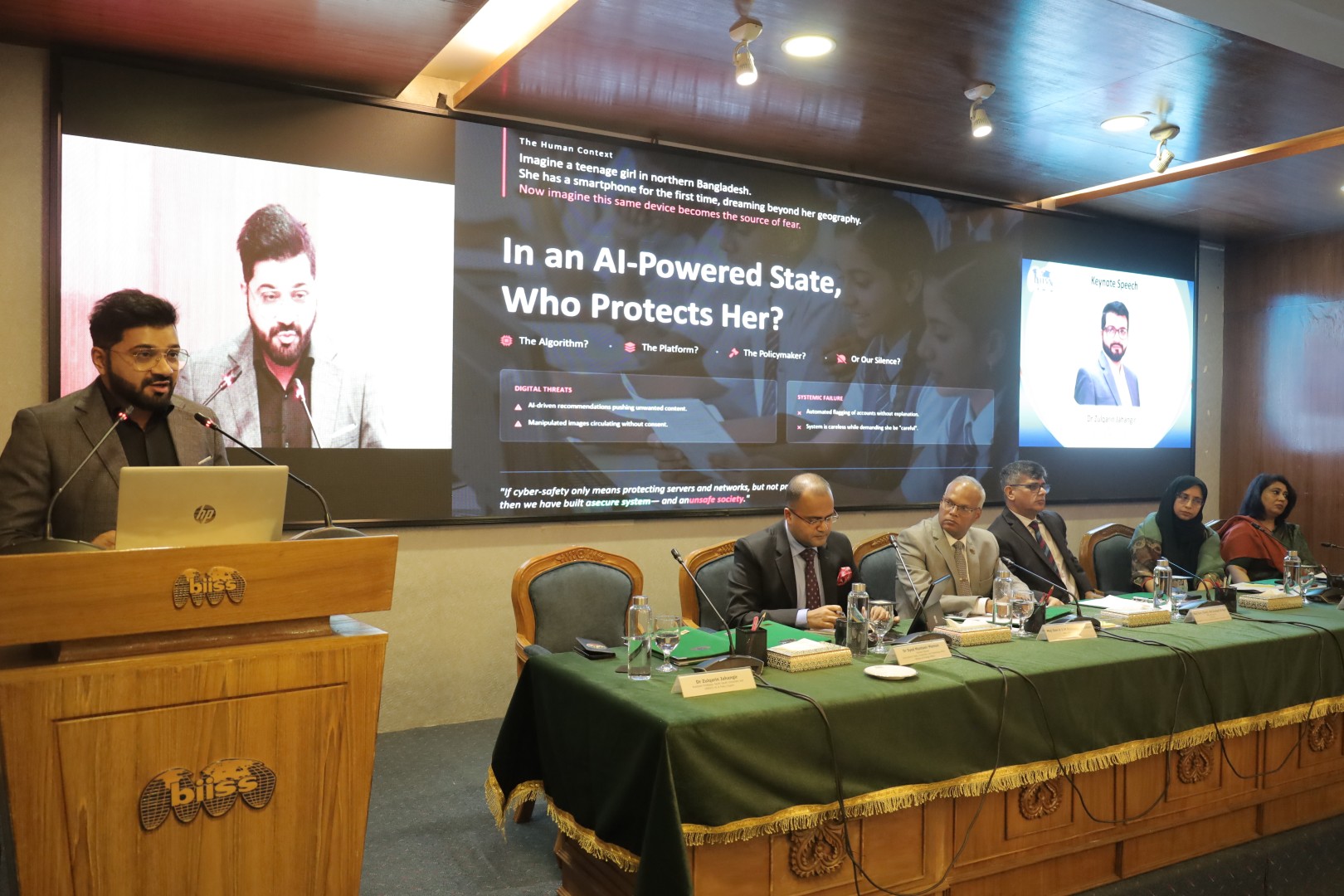
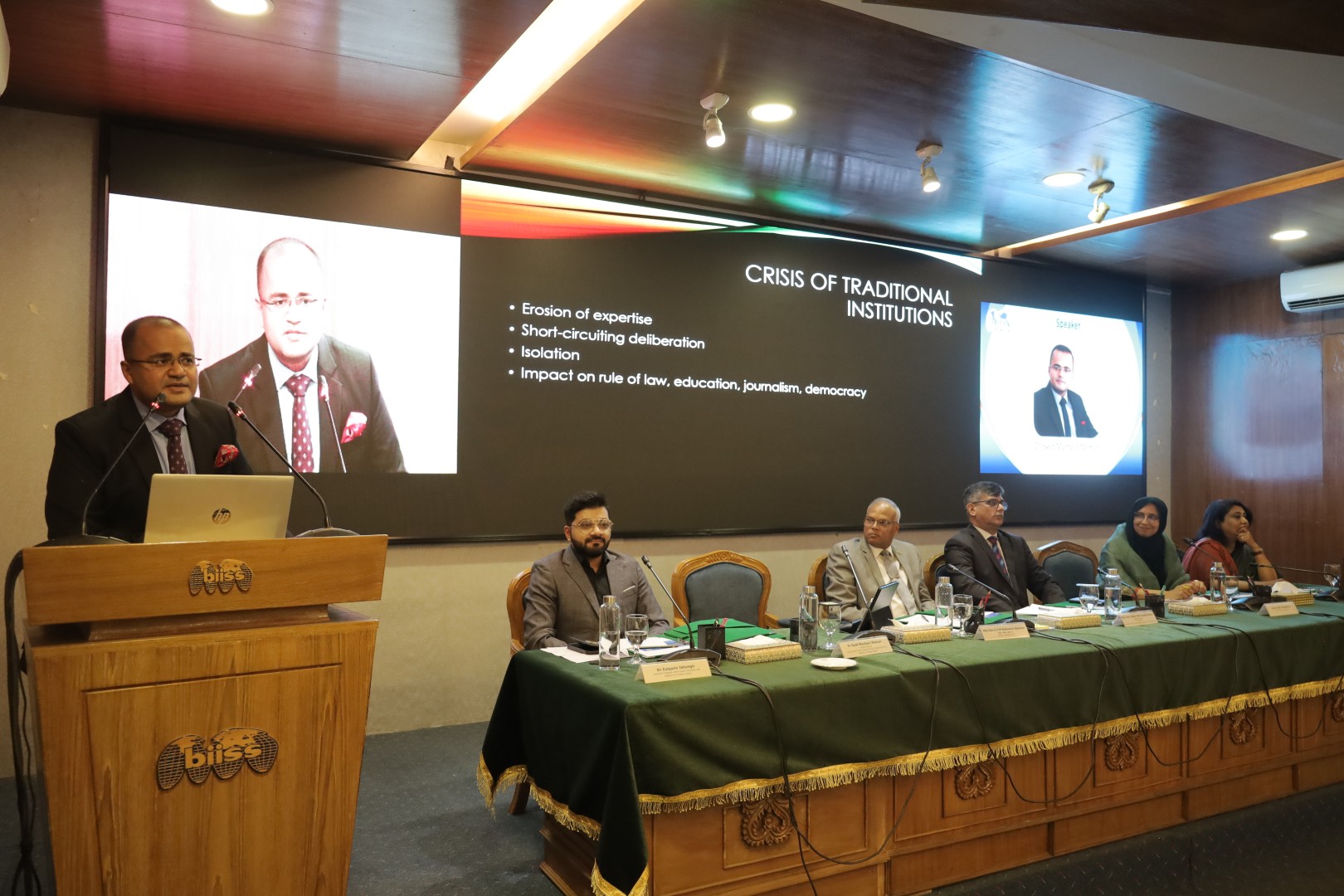
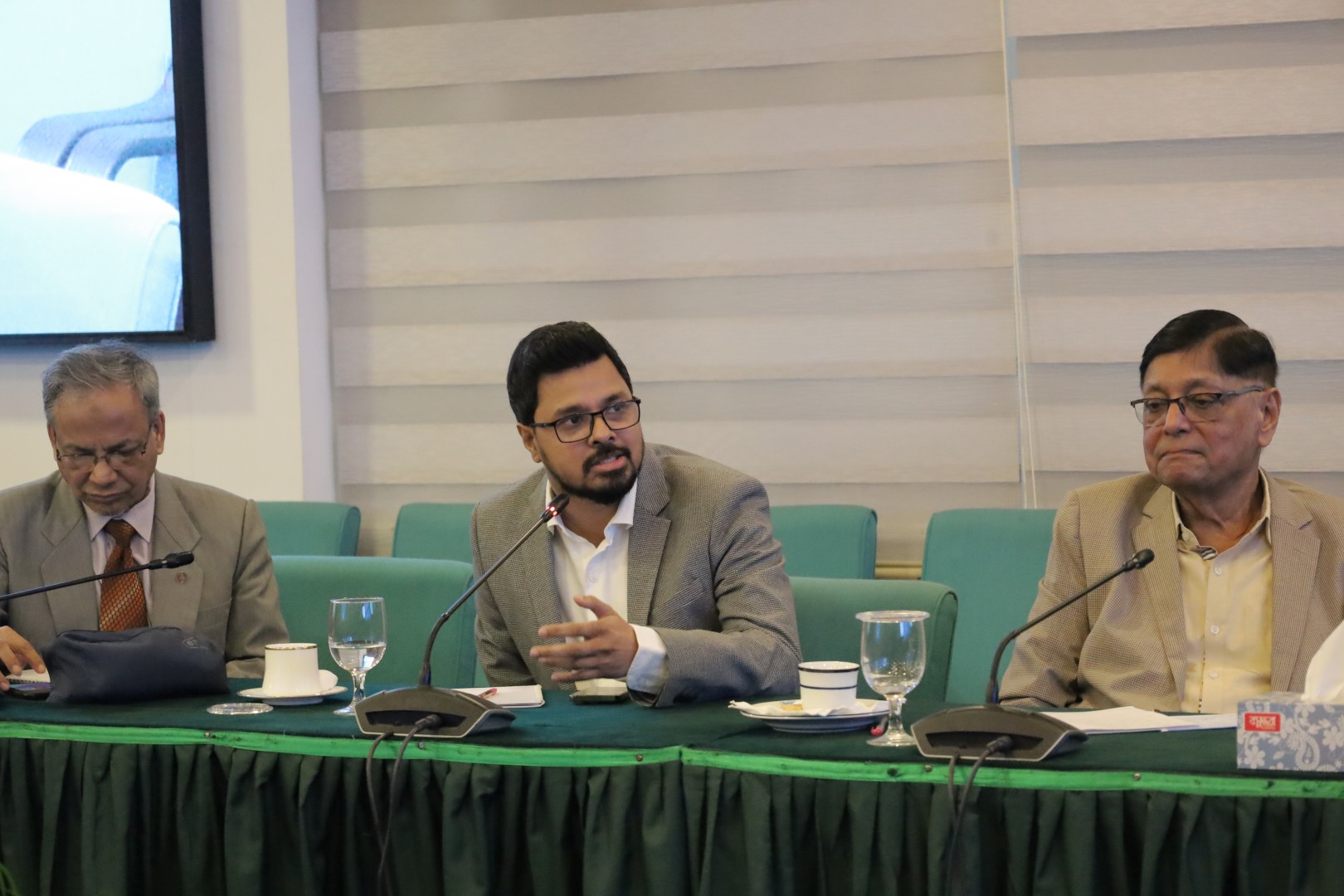
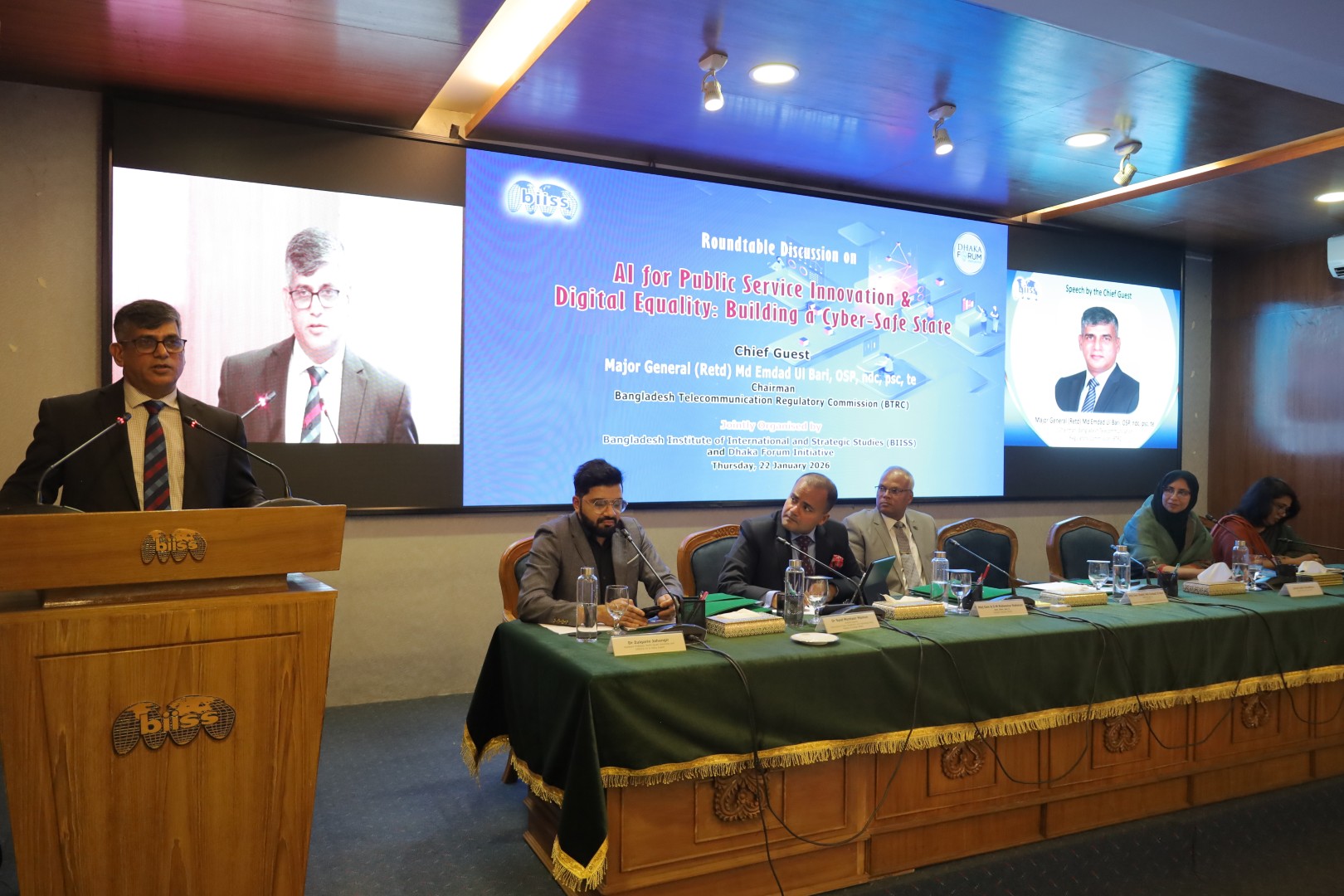
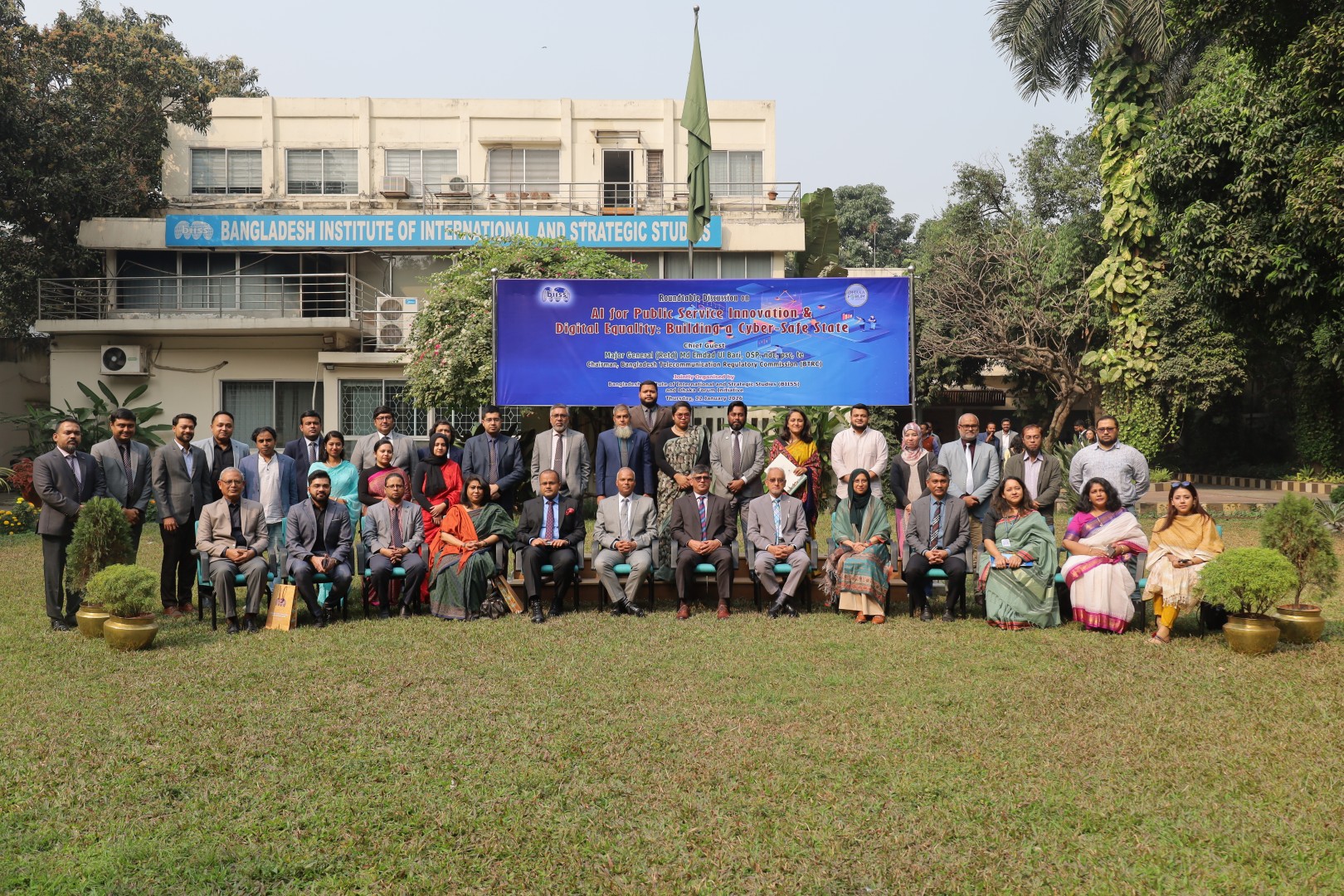
The Bangladesh Institute of International and Strategic Studies (BIISS) and the Dhaka Forum Initiative jointly organized a roundtable discussion titled “AI for Public Service Innovation & Digital Equality: Building a Cyber-Safe State” on 22 January 2026
Major General ASM Ridwanur Rahman, BSP, ndc, psc, Director General of BIISS, opened the roundtable with a welcome address
Following a dynamic open discussion session, Major General (Retd) Md Emdad ul Bari, OSP, NDC, psc, te, Chairman of the Bangladesh Telecommunication Regulatory Commission (BTRC), addressed the gathering as the Chief Guest
To drive innovation in public services: Exploring actionable strategies to safely integrate Artificial Intelligence (AI) solutions into government operations to improve national administrative efficiency and agility
To champion digital equality: Identifying policies and mechanisms to narrow digital divides, ensuring that technological advancements are accessible to all strata of society
To strengthen national cybersecurity: Formulating frameworks to protect citizens, data infrastructure, and critical state networks against sophisticated digital vulnerabilities
To align national strategies with global ethics: Bridging local technological expansion with international ethical parameters as outlined by global experts and multi-sectoral bodies
To enhance collaborative research and policy planning: Providing an enduring platform for academic scholars, tech policy practitioners, and state security apparatuses to build unified national blueprints