Bangladesh Institute of International and Strategic Studies
Bangladesh Institute of International and Strategic Studies
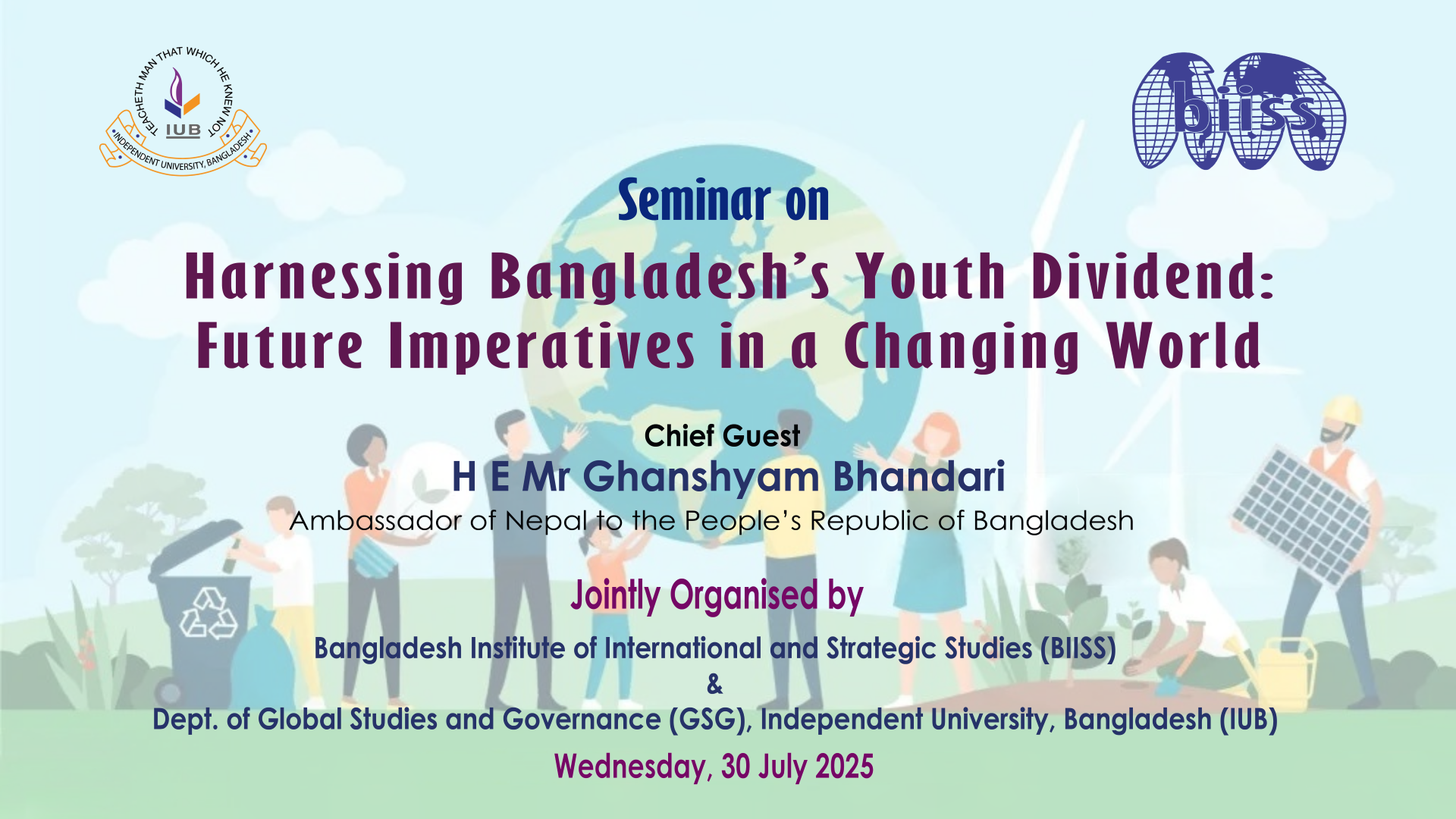
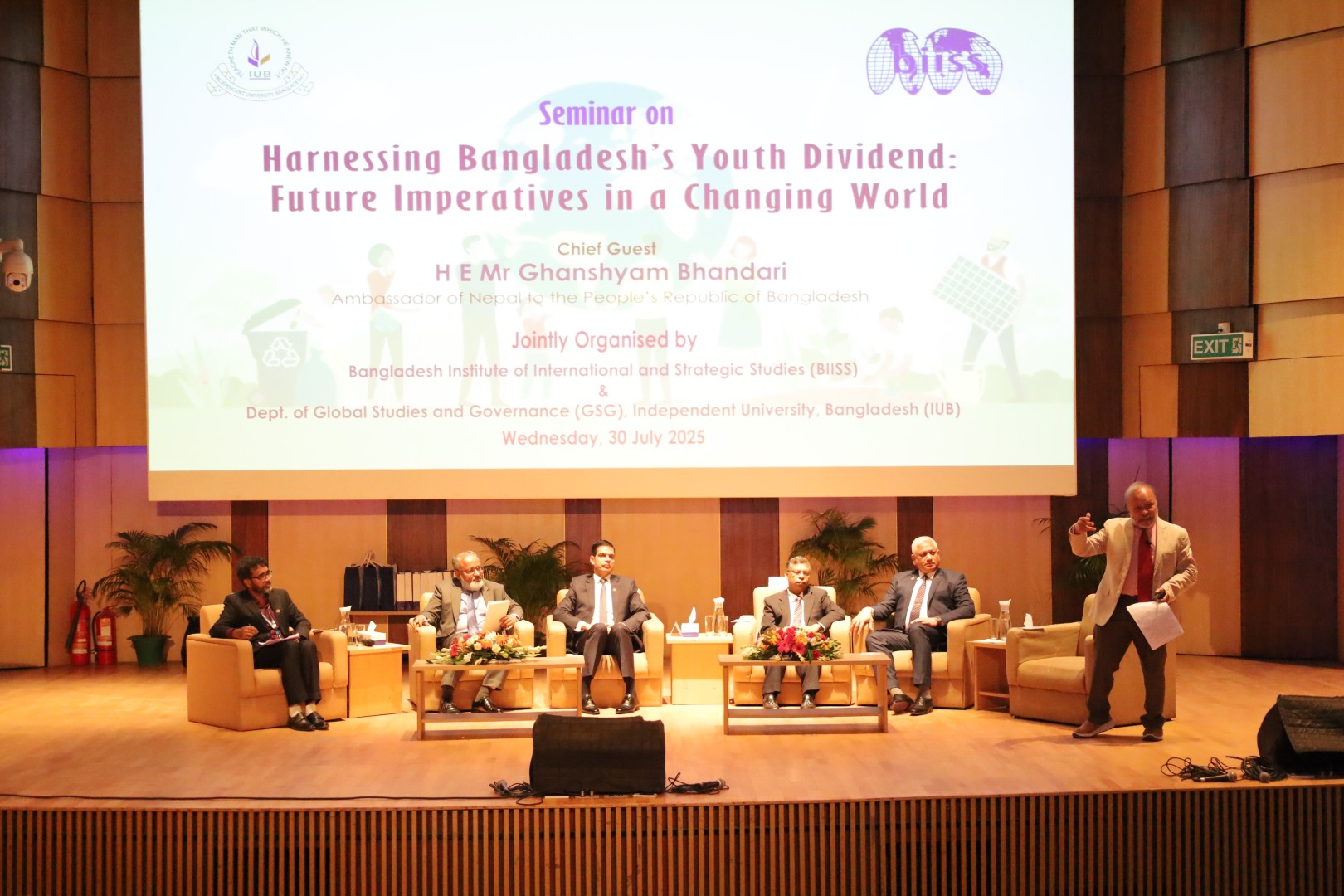
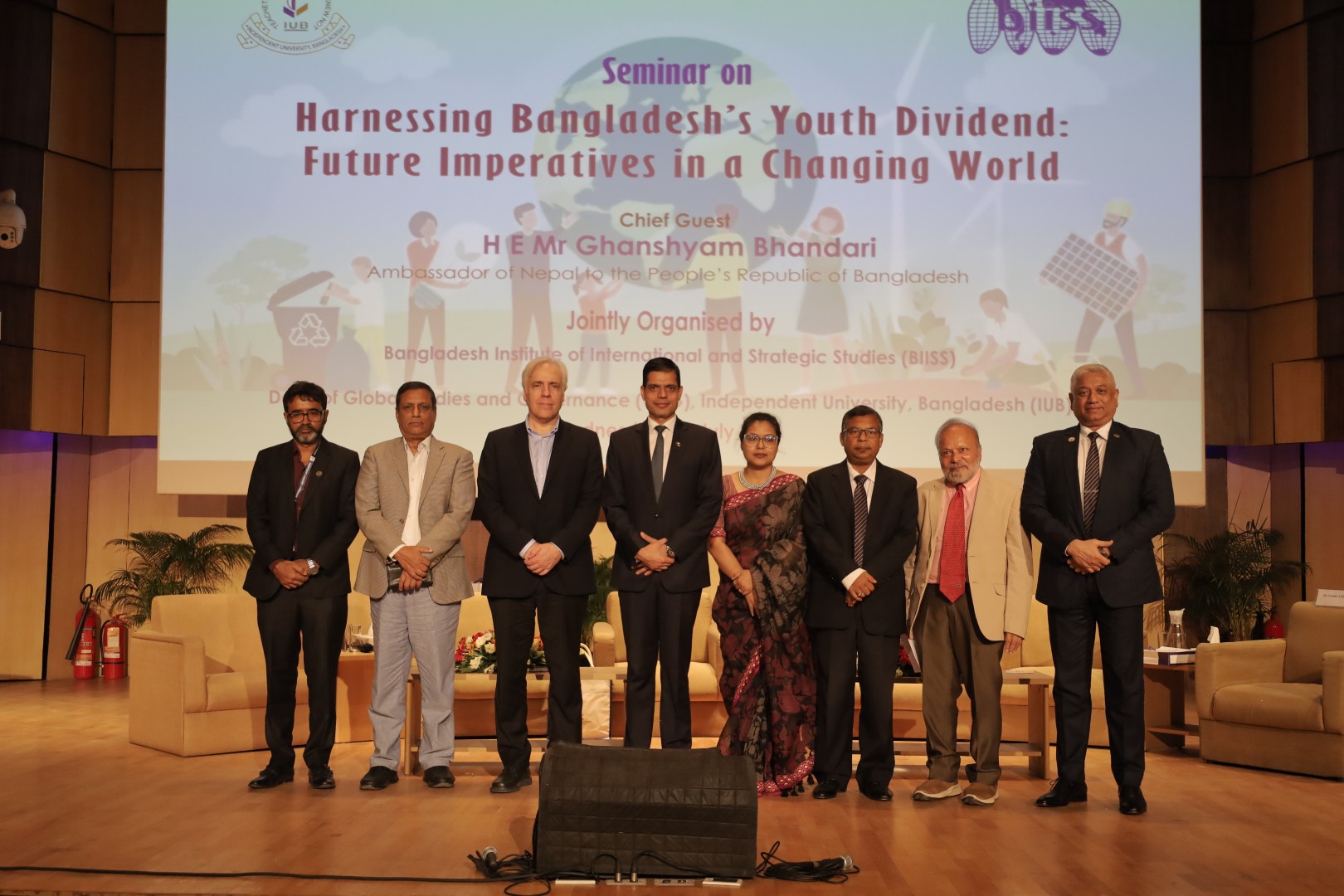
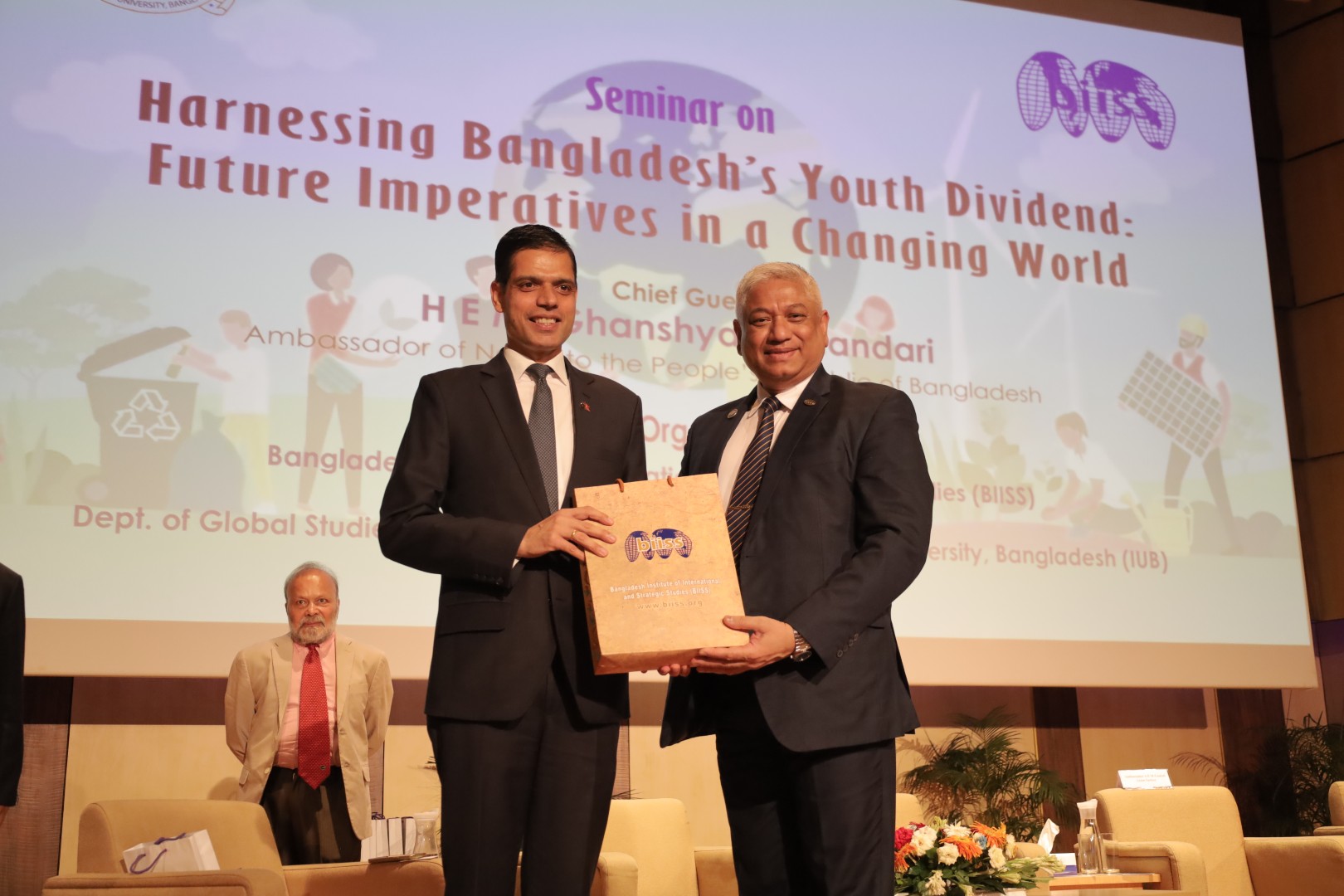
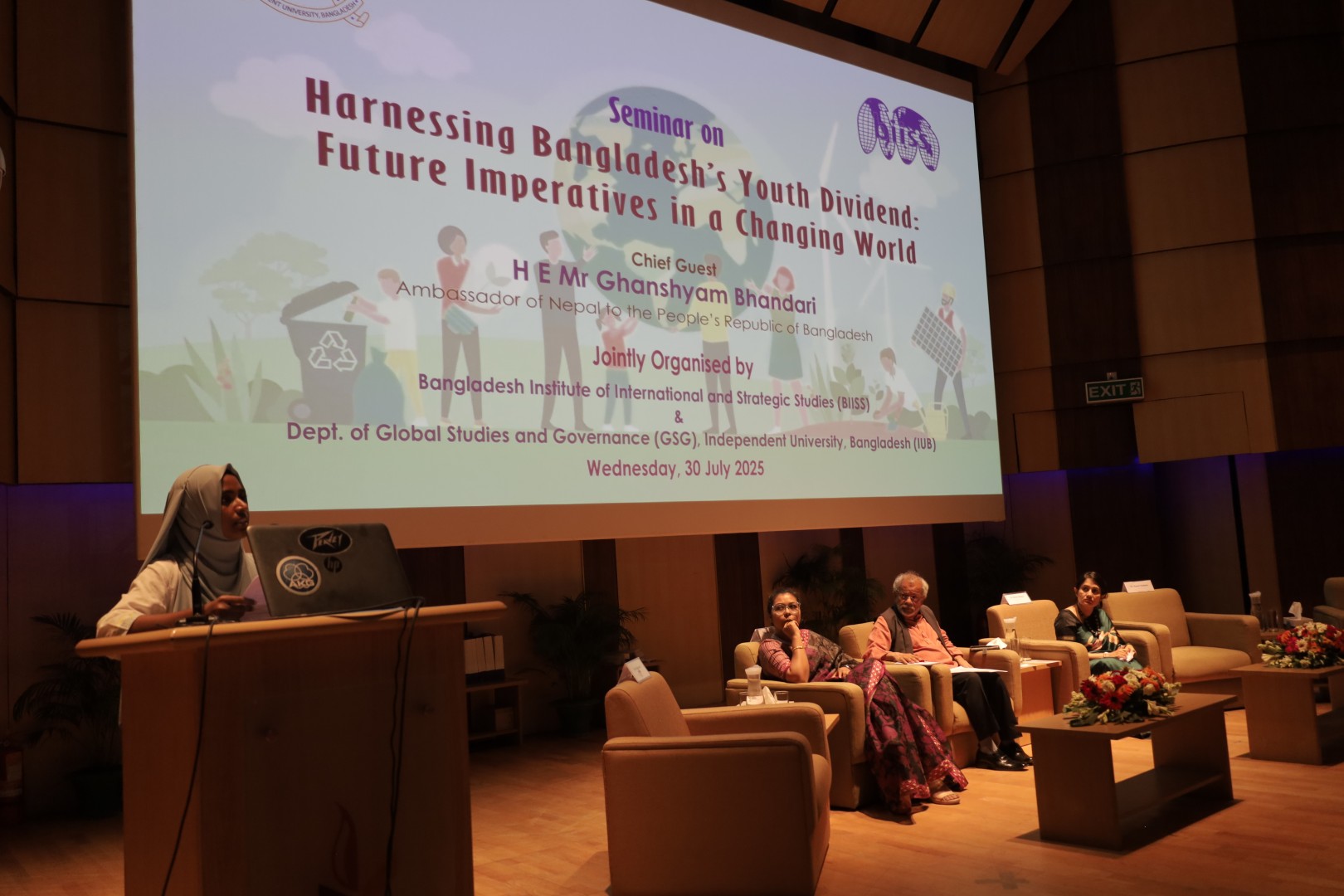
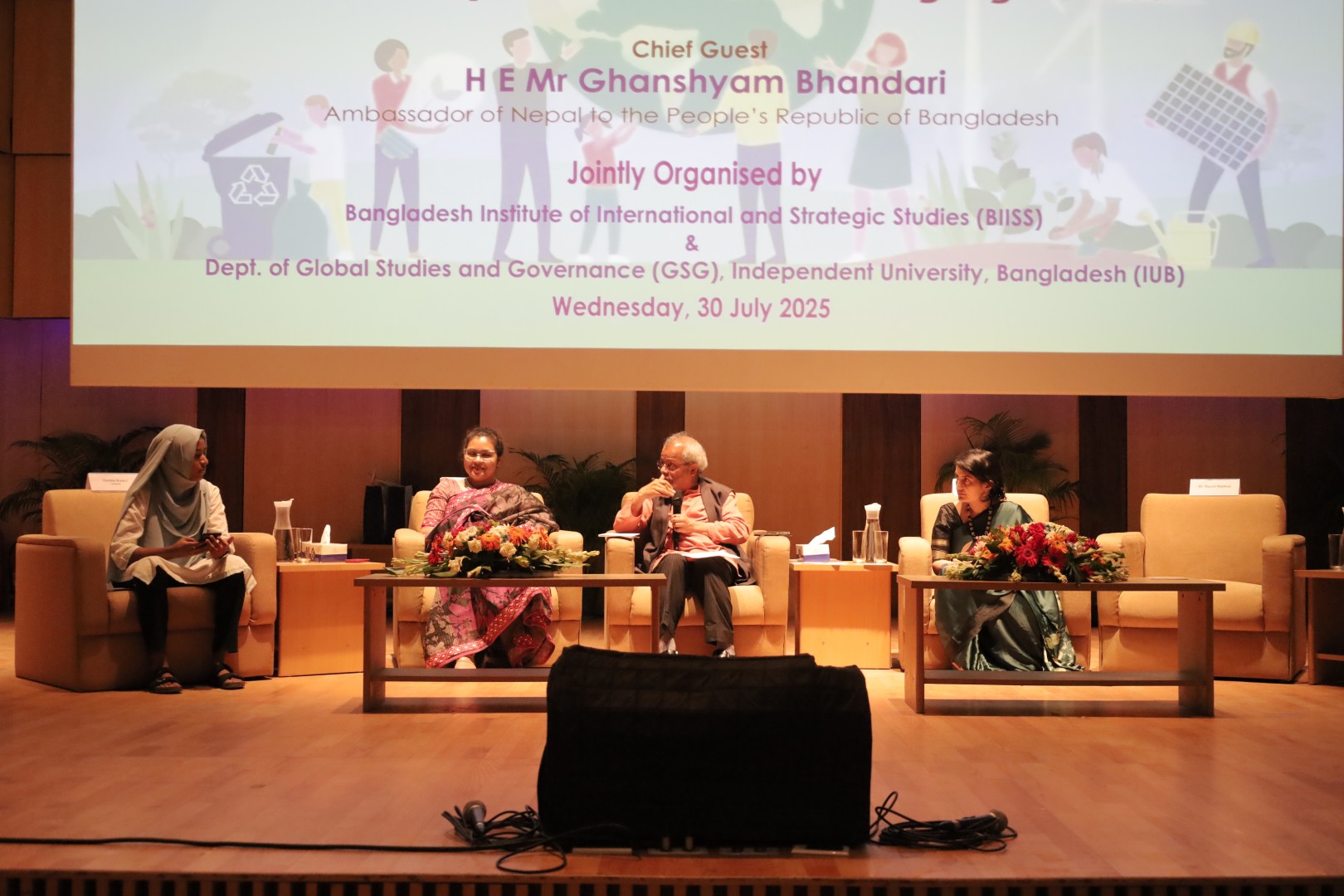
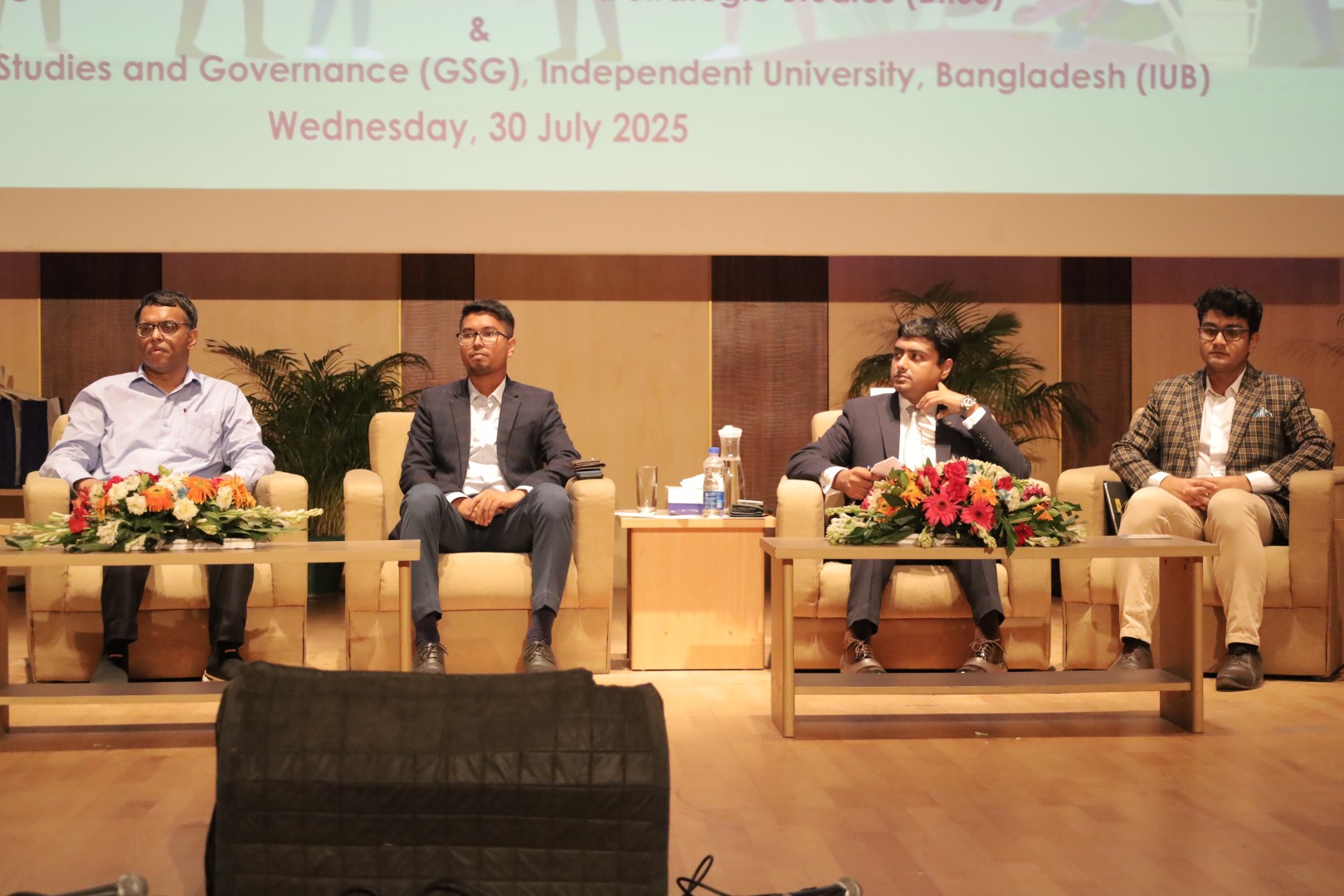
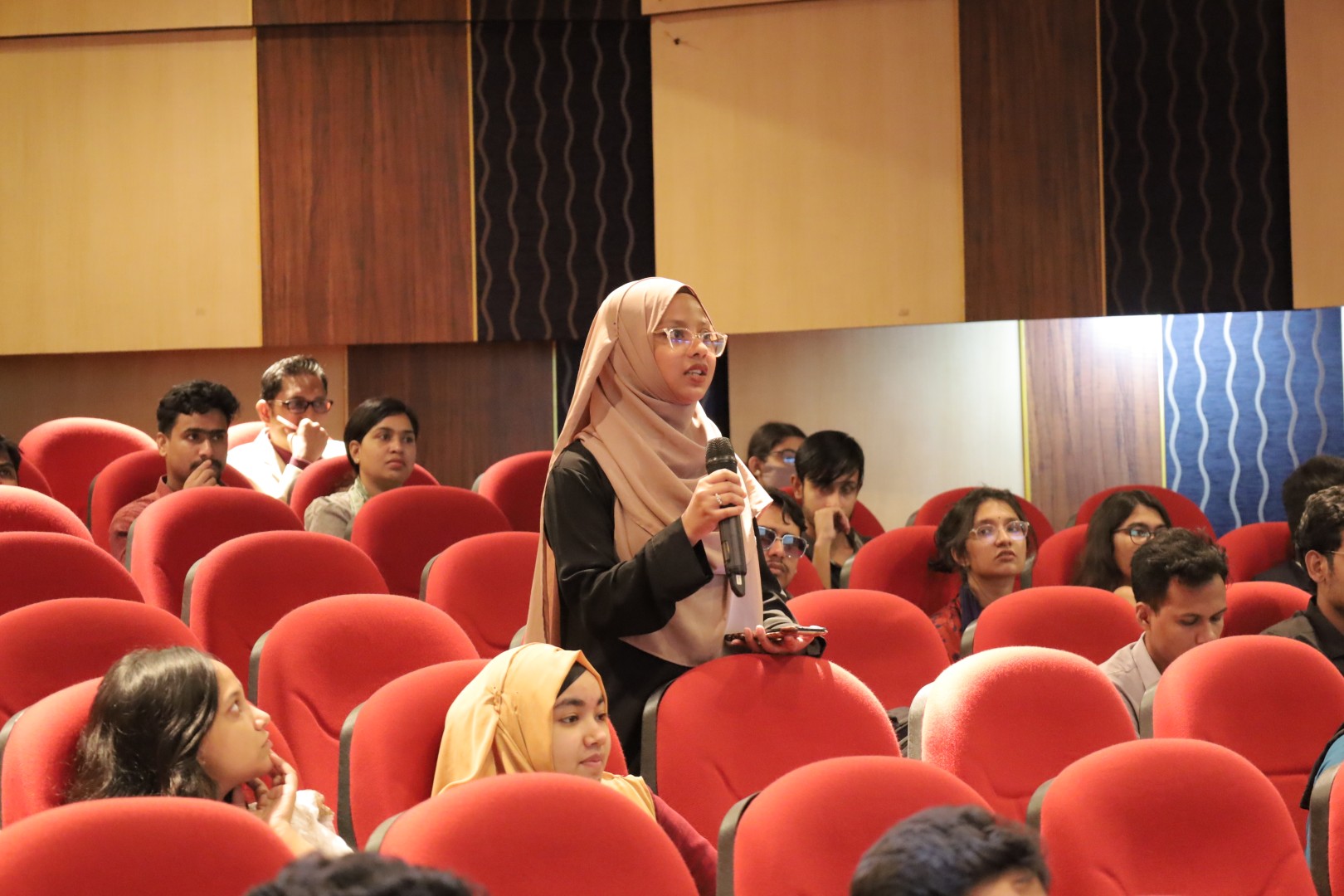
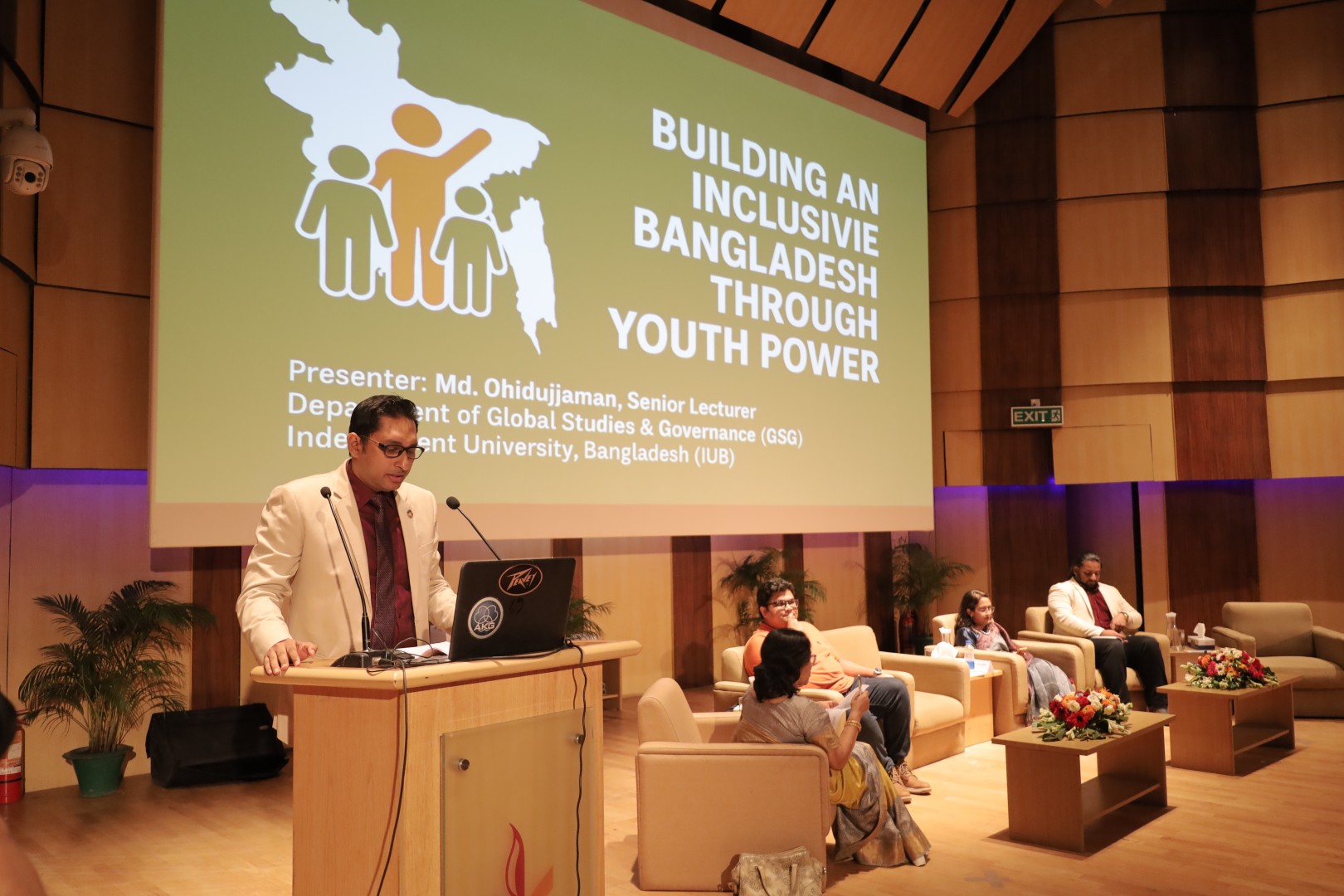
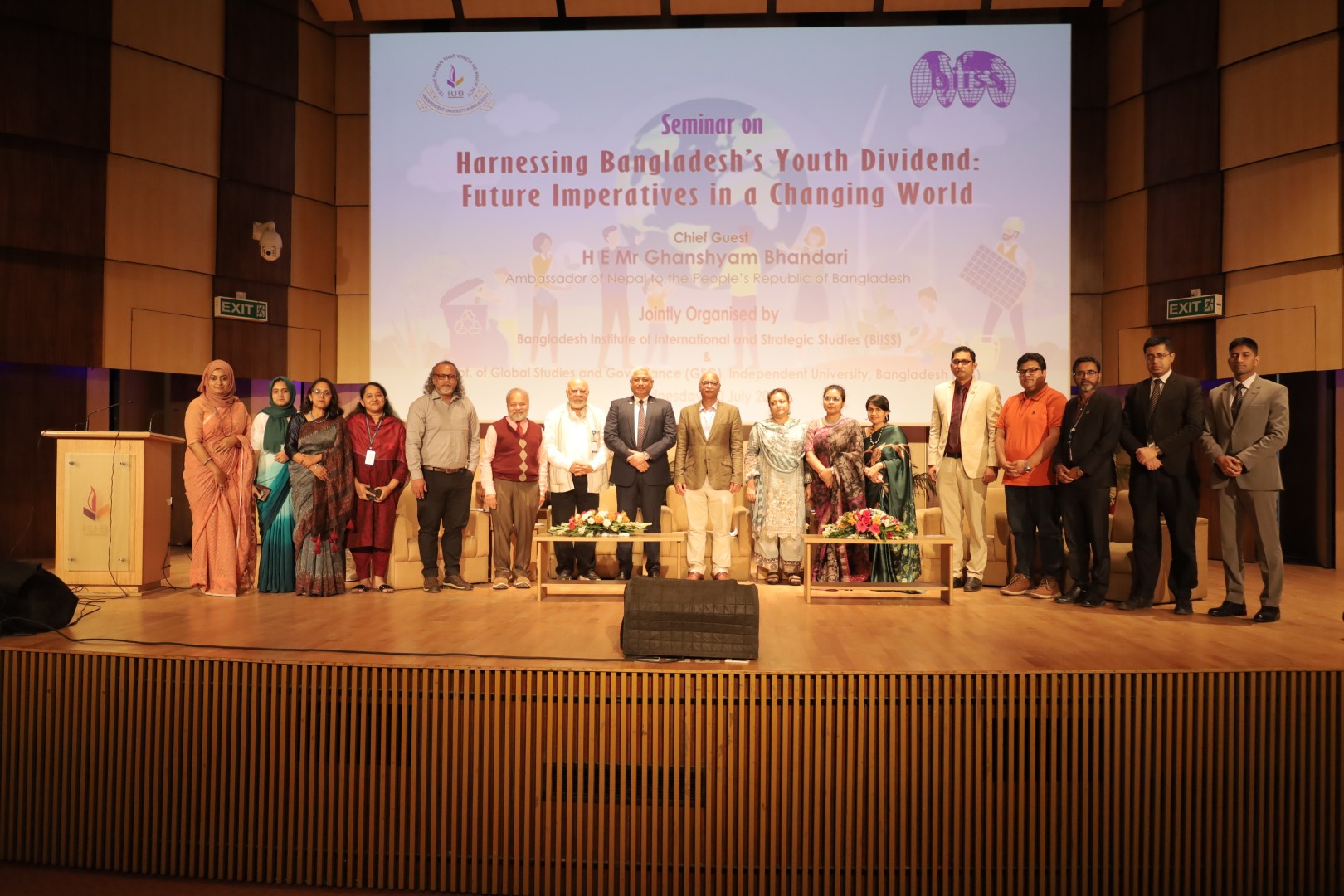
The Bangladesh Institute of International and Strategic Studies (BIISS) and the Department of Global Studies and Governance (GSG), Independent University, Bangladesh (IUB), jointly organized a seminar titled “Harnessing Bangladesh’s Youth Dividend: Future Imperatives in a Changing World” on 30 July 2025
The inaugural session featured a keynote presentation by Professor Dr. Imtiaz A Hussain from the Department of GSG, IUB
The main program was divided into three thematic working sessions
Session 1 (Youth in Building Bangladesh’s International Image, Soft Power and Branding): Moderated by Professor Dr. Imtiaz Ahmed, Executive Director of the Centre for Alternatives
Session 2 (Youth’s Contribution to Economy, Climate-Led Innovation, and Development Vision): Moderated by Professor Dr. Kazi Maruful Islam from the Department of Development Studies, University of Dhaka
Session 3 (Youth, Gender and Inclusiveness): Moderated by Shaheen Anam, Executive Director of Manusher Jonno Foundation (MJF)
The event concluded with a formal vote of thanks delivered jointly by Major General Iftekhar Anis, Director General of BIISS, and Professor Dr. Bokhtiar Ahmed, Dean of the School of Liberal Arts and Social Sciences, IUB
To evaluate youth-led soft power strategies: Assessing the strategic role of young generations in cultivating Bangladesh's branding, international image, and soft power landscapes
To promote technology and climate-driven entrepreneurship: Exploring avenues for youth to spearhead startups, technology enterprises, local job creation, and grassroots climate action policy frameworks
To address gender equality and financial inclusion: Identifying key challenges and remedies to empower young women and integrate marginalized populations into national developmental models
To align youthful aspirations with national vision plans: Creating strategic mechanisms that channel demographic capital directly into macroeconomic goals and long-term sustainable development pathways
To strengthen multi-sectoral institutional alignment: Fostering rigorous academic, diplomatic, and civil society dialogue between state research think-tanks like BIISS and top-tier academic institutions like IUB.